Sample Page

Category: General

  • Interactive Games That Teach Kids About Budgeting
    Interactive Games That Teach Kids About Budgeting

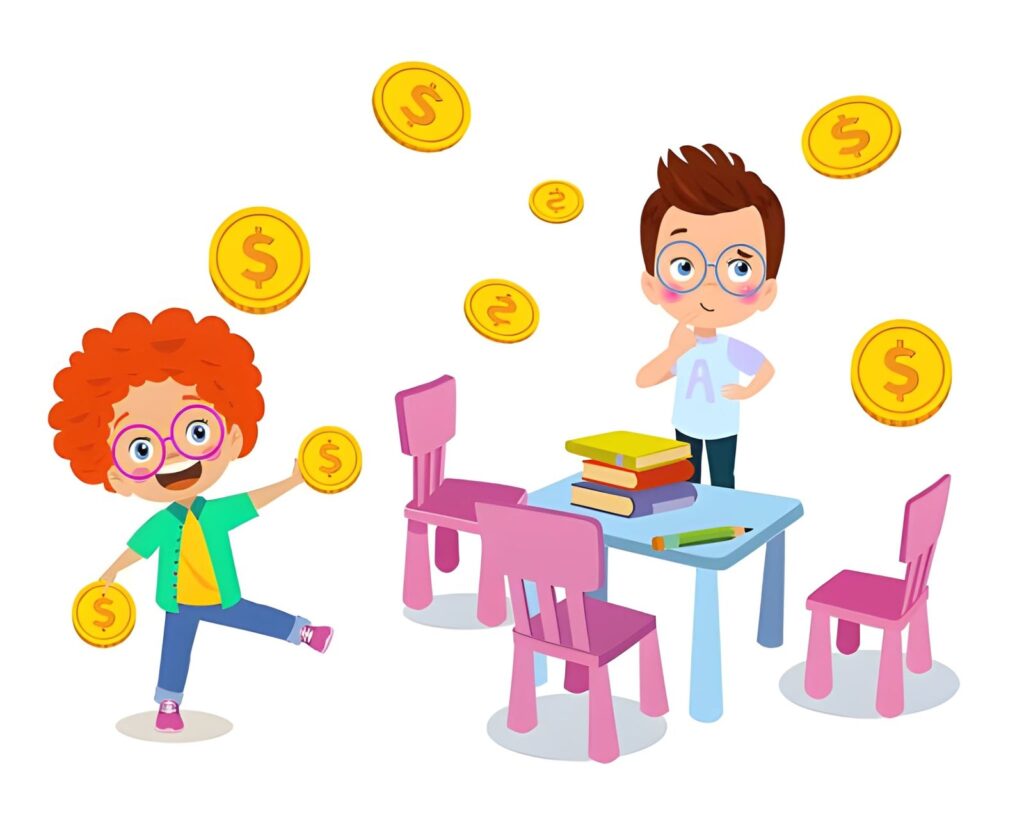
    Budgeting is one of the most valuable financial skills a child can learn. Understanding how to plan spending, save for future goals, and make thoughtful financial choices can create habits that last a lifetime. While budgeting may sound like an adult responsibility, children can begin learning its basics in a fun and engaging way through interactive games. These games transform financial concepts into exciting challenges, allowing kids to practice money management without the pressure of handling real finances.

    Interactive games encourage children to think carefully before making decisions. Instead of simply telling them how budgeting works, games like PG88 allow them to experience it firsthand. By managing virtual money, earning rewards, and making spending choices, children gradually develop a better understanding of financial responsibility while enjoying the learning process.

    Why Interactive Games Are Effective

    Children naturally enjoy activities that are hands-on and engaging. Interactive games capture their attention by allowing them to participate instead of simply listening or reading. This active involvement makes learning easier and more memorable.

    When children face challenges during gameplay, they are encouraged to solve problems, think critically, and make decisions. These experiences strengthen their understanding of budgeting because they can immediately see the results of their financial choices.

    Learning the Basics of Budgeting

    Budgeting begins with understanding that money is limited and must be managed wisely. Many interactive games introduce this concept by giving players a set amount of virtual currency or resources.

    Children soon discover that spending everything at once can prevent them from achieving bigger goals later. This simple lesson helps them understand why planning and careful spending are important in everyday life.

    Teaching Smart Spending Choices

    Interactive games often require players to choose between several items or upgrades while working within a limited budget. These situations encourage children to compare options and think about which purchase offers the greatest value.

    Rather than making impulsive decisions, children learn to evaluate their choices carefully. This habit can later help them become more responsible shoppers when they begin handling real money.

    The Importance of Saving

    Budgeting is not only about spending wisely but also about saving for future needs. Many games reward players who choose to save their resources instead of using everything immediately.

    For example, saving virtual coins may unlock better equipment, larger rewards, or new opportunities later in the game. This experience teaches delayed gratification and shows children that patience often leads to greater success.

    Building Decision-Making Skills

    Every budgeting decision involves making choices, and games provide countless opportunities for children to practice this skill. They learn to balance immediate wants with future goals while considering the consequences of each decision.

    These experiences improve critical thinking and help children become more confident when making financial decisions. Learning to think before acting is a valuable habit that extends far beyond money management.

    Role-Playing Games and Budgeting

    Role-playing activities provide another enjoyable way to teach budgeting. Children can pretend to run a grocery store, café, toy shop, or small business using play money.

    During these activities, they learn how to manage income, pay for supplies, and make purchasing decisions while staying within a budget. These realistic experiences help children understand how budgeting works in everyday situations.

    Learning Through Mistakes

    One of the biggest advantages of interactive games is that children can make mistakes without facing real financial consequences. If they spend all their virtual money too quickly, they simply learn from the experience and try a different strategy the next time.

    This safe environment encourages experimentation and builds confidence. Instead of fearing mistakes, children understand that every decision provides an opportunity to learn and improve.

    The Role of Parents and Teachers

    Parents and teachers play an important role in helping children connect game experiences with real-life budgeting. Asking questions such as, “Why did you choose to save your coins?” or “What could you have done differently?” encourages children to think more deeply about their decisions.

    Adults can also reinforce these lessons by involving children in simple budgeting activities at home, such as planning a shopping list, comparing prices, or managing a small allowance. These real-life experiences strengthen the financial habits developed through games.

    Preparing Kids for Financial Success

    Learning budgeting skills during childhood creates a strong foundation for future financial responsibility. Children who understand how to plan their spending, save for important goals, and make thoughtful choices are more likely to develop healthy money habits as adults.

    Interactive games make these lessons enjoyable and easy to understand. Instead of seeing budgeting as a difficult task, children begin viewing it as a useful skill that helps them achieve their goals and make better decisions.

    Conclusion

    Interactive games Nổ hũ PG88 are an excellent way to teach children about budgeting while keeping the learning process fun and engaging. Through virtual spending, saving, planning, and decision-making, kids gain practical financial knowledge that can benefit them throughout their lives. These games encourage responsibility, patience, and critical thinking while helping children understand the value of managing money wisely. With support from parents and teachers, interactive budgeting games can build lifelong financial habits and prepare children for a confident and financially successful future.

  • How to Master Difficult Subjects with Ease

    How to Master Difficult Subjects with Ease

    Sustainable tourism and wildlife preservation are closely TG88 connected. As more people travel to explore forests, beaches, mountains, national parks, and remote cultural destinations, the need to protect natural habitats has become more important than ever. Tourism can bring economic benefits to local communities, but if it is not managed responsibly, it can also damage ecosystems, disturb wildlife, and contribute to environmental degradation.

    Sustainable tourism offers a better path. It encourages travelers, tour operators, governments, and local communities to protect the environment while supporting responsible economic growth. When planned well, tourism can become a powerful tool for wildlife conservation and long-term ecological balance.

    What Is Sustainable Tourism?

    Sustainable tourism is a form of travel that aims to reduce negative impacts on the environment, culture, and local communities. It focuses on protecting natural resources, respecting local traditions, and ensuring that tourism benefits both present and future generations.

    Instead of mass tourism that may overcrowd destinations and harm ecosystems, sustainable tourism promotes responsible choices. These include staying in eco-friendly accommodations, supporting local businesses, reducing waste, conserving water, and choosing ethical wildlife experiences.

    The goal is simple: enjoy the beauty of the world without destroying it.

    Why Wildlife Preservation Matters

    Wildlife preservation is essential for maintaining healthy ecosystems. Every species plays a role in nature. Predators help control animal populations, pollinators support plant growth, and marine life contributes to the balance of ocean ecosystems. When one species disappears, it can affect many others.

    Unfortunately, wildlife around the world faces serious threats. Habitat loss, poaching, climate change, pollution, and irresponsible tourism all put animals at risk. Iconic species such as elephants, tigers, rhinos, sea turtles, gorillas, and whales are under pressure due to human activity.

    Preserving wildlife is not only about protecting animals. It is also about protecting biodiversity, food systems, clean water, and the natural landscapes that people depend on.

    The Link Between Tourism and Conservation

    Tourism can either harm or help wildlife preservation. When tourism is poorly managed, it may lead to habitat destruction, noise pollution, littering, and stress for animals. For example, boats that get too close to whales, tourists who feed wild animals, or hotels built in sensitive habitats can cause long-term damage.

    However, responsible tourism can support conservation in many ways. Entrance fees to national parks often fund anti-poaching patrols, habitat restoration, and scientific research. Wildlife tourism also creates jobs for local guides, rangers, hotel staff, and artisans. When communities benefit financially from protecting wildlife, they are more likely to support conservation efforts.

    In this way, sustainable tourism can make wildlife more valuable alive than exploited or destroyed.

    Benefits of Sustainable Tourism for Wildlife Preservation

    Protects Natural Habitats

    Eco-friendly tourism encourages the protection of forests, wetlands, coral reefs, grasslands, and other important habitats. National parks, marine reserves, and wildlife sanctuaries often rely on tourism income to maintain protected areas.

    Supports Local Communities

    Sustainable tourism helps local people earn income through guiding, hospitality, transportation, and handicrafts. When communities benefit from wildlife tourism, they have a stronger reason to protect animals and natural areas.

    Reduces Poaching and Illegal Trade

    In some regions, tourism revenue helps fund wildlife rangers and anti-poaching programs. Local employment in tourism can also reduce the need for income from illegal hunting or wildlife trade.

    Raises Environmental Awareness

    Travelers who experience wildlife in natural settings often develop a deeper respect for nature. Educational tours, conservation centers, and responsible safaris can inspire people to support wildlife preservation even after they return home.

    How Travelers Can Support Sustainable Tourism

    Every traveler can make choices that help protect wildlife and the environment. Responsible travel does not require perfection, but small actions can make a meaningful difference.

    Choose Ethical Wildlife Experiences

    Avoid attractions that allow direct contact with wild animals, such as elephant rides, tiger selfies, or shows involving captive animals. Instead, choose ethical sanctuaries, national parks, and guided wildlife tours that observe animals from a safe and respectful distance.

    Stay in Eco-Friendly Accommodation

    Look for hotels, lodges, and guesthouses that use renewable energy, reduce plastic waste, conserve water, and support local conservation projects. Many eco-lodges also employ local workers and invest in community development.

    Respect Wildlife and Their Habitats

    Never feed, touch, chase, or disturb wild animals. Keep a safe distance and follow the instructions of guides and park authorities. Stay on marked trails to avoid damaging plants, nests, or fragile ecosystems.

    Reduce Waste While Traveling

    Carry a reusable water bottle, avoid single-use plastics, and dispose of waste properly. Plastic pollution is especially harmful to marine wildlife, including turtles, seabirds, and fish.

    Support Local Businesses

    Eat at local restaurants, buy locally made products, and hire local guides. This ensures that tourism money stays in the community and encourages residents to protect natural resources.

    The Role of Tour Operators and Governments

    While travelers play an important role, sustainable tourism also depends on responsible businesses and strong policies. Tour operators should follow ethical wildlife tourism guidelines, limit group sizes, train guides, and avoid activities that exploit animals.

    Governments must create and enforce conservation laws, manage visitor numbers in sensitive areas, and invest in protected areas. They should also involve local communities in tourism planning and decision-making. Without proper regulation, even well-meaning tourism can become harmful.

    Partnerships between governments, conservation organizations, tourism businesses, and local residents are essential for long-term wildlife preservation.

    Challenges Facing Sustainable Tourism

    Although sustainable tourism has many benefits, it also faces challenges. Some businesses use “greenwashing,” claiming to be eco-friendly without making real changes. In popular destinations, overcrowding can still damage natural sites, even when tourists have good intentions.

    Climate change is another major issue. Rising temperatures, extreme weather, coral bleaching, and changing migration patterns threaten both tourism and wildlife. Sustainable tourism must therefore include climate-friendly practices, such as reducing carbon emissions and supporting conservation-based travel.

    Travelers should research companies carefully and choose organizations with transparent sustainability practices.


    The Future of Sustainable Tourism and Wildlife Preservation

    The future of travel depends on balance. People will continue to explore the world, but tourism must be managed in a way that protects nature rather than consumes it. Sustainable tourism and wildlife preservation can work together to create a healthier planet, stronger local economies, and more meaningful travel experiences.

    By choosing ethical tours, supporting Nổ hũ TG88 conservation projects, respecting wildlife, and reducing environmental impact, travelers can become part of the solution. Every responsible journey helps protect the animals, landscapes, and cultures that make our world extraordinary.

    Sustainable tourism is not just a travel trend. It is a commitment to preserving the natural world for future generations.

  • Benefits of Learning a Second Language

    Benefits of Learning a Second Language

    Learning a second language is one of the most valuable skills you can develop in today’s connected King88 world. Whether you want to travel with confidence, advance your career, improve your memory, or connect with people from different cultures, becoming bilingual or multilingual offers lifelong advantages. The benefits of learning a second language go far beyond vocabulary and grammar. It can change the way you think, communicate, and experience the world.

    Improves Brain Health and Cognitive Skills

    One of the greatest benefits of learning a second language is its positive effect on the brain. Language learning requires concentration, memory, listening, and problem-solving. As you practice new words, sentence structures, and pronunciation, your brain becomes more active and flexible.

    Studies have shown that bilingual people often have stronger cognitive skills. They may be better at multitasking, focusing attention, and switching between tasks. This is because learning a new language trains the brain to recognize patterns and make quick decisions. It also strengthens memory, as learners must remember vocabulary, grammar rules, and common phrases.

    Learning a second language may even help delay age-related cognitive decline. While it cannot prevent all brain-related conditions, regular language practice can keep the mind active and engaged, which supports long-term brain health.

    Boosts Career Opportunities

    In the modern job market, knowing a second language can give you a major advantage. Many companies work with international clients, partners, and teams. Employers often value candidates who can communicate in more than one language because they can help businesses expand into global markets.

    Bilingual employees may find opportunities in fields such as business, healthcare, education, customer service, tourism, technology, government, and translation. For example, a company that serves Spanish-speaking, French-speaking, Mandarin-speaking, or Arabic-speaking customers may prefer hiring someone who can communicate directly with those clients.

    Learning a second language can also increase earning potential. In some industries, bilingual professionals receive higher salaries or special pay for their language skills. Even if a job does not require another language, listing one on your resume can make you stand out from other applicants.

    Enhances Travel Experiences

    Traveling becomes much more enjoyable when you can speak the local language. Even basic language skills can help you order food, ask for directions, use public transportation, and understand signs. Instead of relying entirely on translation apps or guidebooks, you can interact more naturally with local people.

    Speaking a second language while traveling also shows respect for the culture of the country you are visiting. Locals often appreciate it when visitors make an effort to communicate in their language, even if the pronunciation is not perfect. This can lead to warmer interactions, better service, and more authentic experiences.

    Language skills can also make travel safer. If you can understand important announcements, read instructions, or explain a problem, you are better prepared to handle unexpected situations.

    Builds Cultural Understanding

    Language and culture are deeply connected. When you learn a second language, you also learn about the traditions, values, history, humor, and daily life of the people who speak it. This helps you develop a broader view of the world.

    For example, some words or expressions do not translate directly into English. Learning them can reveal unique ways of thinking and communicating. You may also discover music, films, books, food, and customs that you would not have fully understood without learning the language.

    Cultural understanding is especially important in a global society. It encourages empathy, reduces stereotypes, and helps people communicate across differences. By learning another language, you become more open-minded and better prepared to connect with people from diverse backgrounds.

    Strengthens Communication Skills

    Learning a second language can improve your overall communication skills, including your use of your native language. As you study grammar, sentence structure, and word meaning in another language, you become more aware of how language works in general.

    Many language learners develop stronger listening skills because they must pay close attention to pronunciation, tone, and context. They also become better at expressing ideas clearly. When you do not know every word in a second language, you learn to explain concepts in simple and creative ways.

    This ability can improve communication in everyday life, school, and work. You may become more patient, more observant, and more confident when speaking with others.

    Increases Confidence and Personal Growth

    Learning a second language is a challenge, but it is also rewarding. Each time you understand a conversation, read a sentence, or speak with someone in another language, you gain confidence. These small achievements build motivation and encourage personal growth.

    Language learning teaches persistence. Progress may feel slow at times, especially when grammar rules are difficult or pronunciation feels unfamiliar. However, with regular practice, improvement becomes noticeable. This process helps learners become more disciplined, patient, and resilient.

    The confidence gained from learning a second language can also inspire you to try other new skills. It proves that with effort and consistency, you can achieve difficult goals.

    Expands Social Connections

    Another important benefit of learning a second language is the ability to meet and connect with more people. Language creates opportunities for friendship, networking, and meaningful conversation. You can communicate with native speakers, join language exchange groups, participate in online communities, or connect with people while traveling.

    Being able to speak someone’s language can create a strong personal connection. It allows for deeper conversations and a better understanding of emotions, ideas, and experiences. In multicultural communities, bilingual skills can help you build relationships with neighbors, coworkers, and classmates.

    Supports Academic Success

    Students who learn a second language often develop skills that support success in other subjects. Language learning improves memory, concentration, reading comprehension, and problem-solving. These skills can help students perform better in areas such as English, history, math, and science.

    In addition, learning another language can open the door to study abroad programs, scholarships, and international academic opportunities. Students who speak more than one language may also have access to more research materials, books, and educational resources.

    Makes Learning Additional Languages Easier

    Once you learn a second language, learning a third or fourth language often becomes easier. You become familiar with the process of memorizing vocabulary, practicing pronunciation, and understanding grammar patterns. You also learn which study methods work best for you.

    Some languages share similarities. For example, if you learn Spanish, you may find it easier to learn Italian, French, or Portuguese because they have related vocabulary and grammar structures. This makes multilingual learning more accessible over time.

    Conclusion: A Skill That Lasts a Lifetime

    The benefits of learning a second language are personal, professional, and cultural. It improves brain health, boosts career opportunities, enhances travel, strengthens communication, and helps you understand the world in a deeper way. It also builds confidence and creates meaningful connections with people from different backgrounds.

    Whether you choose to learn Spanish, French, Mandarin, German, Arabic, or any other language, the key is consistent practice. Start with simple words and phrases, listen to native speakers, use language learning apps, watch videos, and practice speaking whenever possible. Over time, your skills will grow.

    Learning a second language is more than an educational goal. It is an  investment in your future, your mind, and your ability to connect with Tác giả King88 the world.